
The ZTE B760H firmware download and installation guide helps Android users, technicians, and device owners restore their phones to working condition. If your ZTE B760H is stuck on boot loops, showing software errors, or completely unresponsive, the original flash file can bring it back to life.
This guide targets anyone dealing with a bricked ZTE B760H, users wanting to fix ZTE B760H not working issues, or those looking to perform a clean software update. Whether you’re a beginner or have some technical experience, you’ll find the steps easy to follow.
We’ll walk you through downloading the ZTE B760H stock ROM safely from trusted sources, then show you exactly how to flash ZTE B760H firmware using the right tools. You’ll also learn how to troubleshoot common problems that might pop up during the ZTE B760H firmware upgrade process, so you can get your device running smoothly again.
Understanding ZTE B760H Device and Firmware Requirements
Key specifications and features of ZTE B760H router
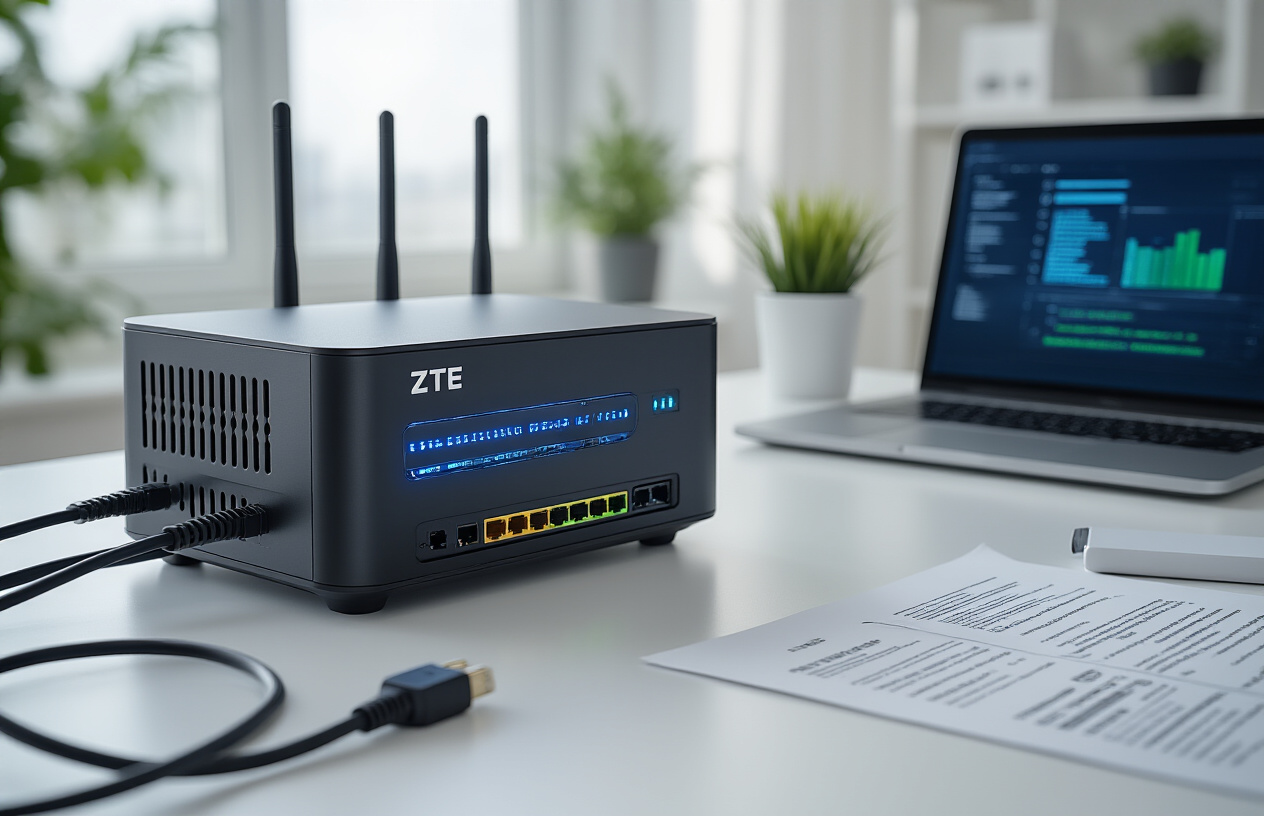
The ZTE B760H stands as a reliable FTTH (Fiber to the Home) ONT device designed for high-speed internet connectivity. This optical network terminal operates on GPON technology, supporting download speeds up to 1 Gbps and upload speeds reaching 512 Mbps. The device features four Gigabit Ethernet ports, dual-band Wi-Fi capabilities, and VoIP functionality for voice services.
Built with a Broadcom chipset, the B760H incorporates 128MB RAM and 128MB flash memory, providing stable performance for residential and small business applications. The router supports IEEE 802.11ac wireless standards, delivering combined wireless speeds up to 1167 Mbps across 2.4GHz and 5GHz bands. Two external antennas enhance signal coverage and strength.
Key hardware specifications include:
| Component | Specification |
|---|---|
| Chipset | Broadcom BCM68380 |
| RAM | 128MB DDR3 |
| Flash Memory | 128MB NAND |
| Ethernet Ports | 4x Gigabit |
| Wi-Fi Standard | 802.11ac |
| Voice Ports | 2x RJ11 FXS |
The device supports TR-069 remote management protocol, enabling ISPs to perform remote configuration and monitoring. Built-in firewall features and WPA3 security protocols protect against unauthorized access.
Common firmware issues that require reflashing
Device boot loops represent the most frequent problem requiring ZTE B760H firmware upgrade. Users experience continuous restart cycles where the router fails to complete the startup process, often indicated by blinking power LEDs that never stabilize. This issue typically stems from corrupted bootloader files or interrupted firmware updates.
Network connectivity problems plague devices with outdated or corrupted firmware. Users report intermittent internet disconnections, slow speeds despite high-speed plans, and inability to establish stable Wi-Fi connections. These issues often manifest after power outages or failed automatic updates from the ISP.
Fix ZTE B760H not working scenarios commonly include:
- Complete device unresponsiveness (bricked state)
- Web interface inaccessibility at 192.168.1.1
- Failed authentication with ISP servers
- Overheating due to firmware bugs
- Port forwarding malfunctions
- VoIP service interruptions
Memory corruption causes random system crashes and performance degradation. Users notice significant slowdowns in data transfer rates, frequent disconnections during peak usage hours, and unstable wireless connections affecting multiple devices simultaneously.
Configuration corruption leads to lost settings after power cycles. Default credentials stop working, custom network names disappear, and port configurations reset unexpectedly. These problems often require ZTE B760H dead fix firmware solutions to restore full functionality.
Benefits of using original firmware over custom alternatives
ZTE B760H stock ROM provides guaranteed compatibility with ISP infrastructure and protocols. Original firmware undergoes extensive testing with various network configurations, ensuring seamless integration with fiber optic systems and service provider authentication methods. Custom firmware often lacks these compatibility layers, resulting in connection failures or limited functionality.
Security updates receive priority in official firmware releases. ZTE addresses vulnerabilities through regular patches, protecting users from emerging threats and ensuring compliance with industry standards. Third-party firmware may contain security gaps or slower response times to critical vulnerabilities.
Warranty protection remains intact when using original firmware. ISPs and manufacturers honor service agreements only when devices run authorized software versions. Installing custom firmware typically voids warranties and support agreements, leaving users responsible for repair costs.
Performance optimization benefits include:
- Proper power management reducing heat generation
- Efficient memory allocation preventing crashes
- Optimized antenna algorithms maximizing signal strength
- Quality of Service (QoS) features prioritizing traffic correctly
- Stable VoIP codec support for clear voice calls
Official firmware receives ongoing feature updates and bug fixes directly from ZTE’s development team. These updates address real-world usage scenarios and improve overall system stability based on user feedback and telemetry data.
System requirements for firmware installation
Windows 10 or 11 operating system provides the most reliable environment for how to flash ZTE B760H procedures. The flashing process requires administrative privileges and stable USB connectivity. Older Windows versions may lack necessary drivers or experience compatibility issues during firmware transfer.
Hardware requirements include:
- USB cable (included with device)
- Computer with available USB 2.0 or 3.0 port
- Minimum 4GB free storage space
- Stable power supply (UPS recommended)
- Network cable for recovery procedures
Download ZTE B760H flash file operations require reliable internet connectivity and adequate bandwidth. Firmware files typically range from 16MB to 32MB, demanding stable download connections to prevent file corruption. Unstable connections may result in incomplete downloads requiring restart.
Essential software components include device drivers, flashing tools, and firmware verification utilities. Most tools require Microsoft Visual C++ Redistributables and .NET Framework 4.5 or newer. Users should disable antivirus software temporarily during flashing to prevent interference with communication protocols.
System stability becomes critical during ZTE B760H software update processes. Close unnecessary applications, disable automatic updates, and ensure adequate system resources. The flashing procedure demands uninterrupted operation for 5-15 minutes depending on firmware size and system performance.
Downloading Original ZTE B760H Firmware Safely
Verified sources for authentic firmware files
Getting the right ZTE B760H stock rom from trusted sources makes all the difference between a successful flash and a bricked device. The most reliable source is ZTE’s official support website, where you can find authentic firmware files directly from the manufacturer. ZTE’s support portal typically requires device registration, but this extra step guarantees you’re downloading legitimate files.
Third-party firmware repositories like GSM Hosting, Android File Host, and Firmware.mobi maintain extensive collections of ZTE firmware files. These platforms often have multiple versions available and provide detailed information about each release. Always check user reviews and download counts before selecting a file from these sources.
XDA Developers forum remains a goldmine for ZTE B760H flash files, especially when community members share firmware extracted directly from working devices. The forum’s moderation system helps filter out potentially harmful files, making it a safer alternative to random download sites.
Avoid torrent sites, file-sharing platforms without moderation, and websites that bombard you with popup ads. These sources frequently distribute modified or corrupted firmware that can permanently damage your device.
How to identify correct firmware version for your device
Your ZTE B760H device carries specific identifiers that must match the firmware you download. Start by checking your device’s current software information in Settings > About Phone > Software Information. Write down the model number, build number, and region code.
The model number should exactly match “B760H” in the firmware filename. Regional variants like B760H-EU, B760H-US, or B760H-APAC contain specific radio configurations and language packs for different markets. Flashing the wrong regional firmware won’t necessarily brick your device, but you might lose cellular connectivity or specific features.
Build numbers follow ZTE’s internal versioning system and help identify the exact software release. Newer build numbers generally contain bug fixes and security patches, but older stable versions might work better if you’re experiencing issues with recent updates.
Check your bootloader version using recovery mode or fastboot commands. Some firmware files are bootloader-specific, and using incompatible versions can cause boot loops or complete device failure.
Essential precautions before downloading firmware
Creating a complete backup of your current ZTE B760H software should be your first priority. Use tools like SP Flash Tool or MTK Droid Tools to create a full NAND backup, including boot, recovery, system, and userdata partitions. Store these backup files on multiple devices or cloud storage.
Verify your device’s hardware revision before proceeding. Different hardware revisions might use different chip configurations, and flashing incompatible firmware can cause permanent hardware damage. Check the device label or use CPU-Z app to identify your exact hardware specifications.
Ensure your computer meets the minimum requirements for flashing tools. Install proper USB drivers for your ZTE device, and disable antivirus software temporarily to prevent interference during the download and installation process.
Charge your device to at least 50% battery level before starting any firmware-related operations. Sudden power loss during flashing can corrupt critical system partitions and make recovery extremely difficult.
File verification methods to ensure integrity
Downloaded ZTE B760H firmware files should undergo thorough verification before installation. Most legitimate firmware distributors provide MD5 or SHA256 checksums alongside download links. Use tools like HashCalc or built-in PowerShell commands to generate checksums for your downloaded files and compare them with provided values.
File size serves as another verification method. Authentic ZTE B760H firmware typically ranges from 1.5GB to 3GB depending on the Android version and included applications. Files significantly smaller or larger than expected might be corrupted or modified.
Examine the file structure using archive managers like 7-Zip or WinRAR. Legitimate firmware packages contain specific folders and files with recognizable names like system.img, boot.img, recovery.img, and scatter files. Missing critical components or suspicious additional files indicate potential problems.
Test the firmware integrity using flashing tools before actual installation. Tools like SP Flash Tool perform preliminary checks and can identify corrupted files before they damage your device. Always run these verification steps even when downloading from trusted sources, as file corruption can occur during transfer or storage.
Essential Tools and Preparations for Firmware Installation
Required software and drivers for flashing process
Before you start flashing your ZTE B760H, you need specific software tools installed on your computer. The most critical component is the SP Flash Tool (also known as Smart Phone Flash Tool), which handles the actual firmware installation process. Download the latest version from MediaTek’s official sources or trusted firmware communities.
Your computer also needs the proper USB drivers for the ZTE B760H device. Without these drivers, your computer won’t recognize the device during the flashing process. Install the MediaTek USB VCOM drivers or ZTE-specific drivers before connecting your device. These drivers create the communication bridge between your computer and the ZTE B760H during firmware installation.
Additional software you’ll need includes:
- 7-Zip or WinRAR for extracting firmware files
- Device Manager access for monitoring USB connections
- A reliable antivirus program (temporarily disabled during flashing)
Hardware preparation and connection setup
Your hardware setup plays a crucial role in successful firmware installation. Use a high-quality USB cable that supports both data transfer and charging. Faulty or cheap cables often cause connection drops during the flashing process, which can brick your device.
Prepare a clean workspace with your computer, USB cable, and ZTE B760H device within easy reach. Close all unnecessary programs on your computer to free up system resources and prevent interference during the flashing process.
Check your device’s current condition before starting. If the screen is cracked or buttons are unresponsive, address these issues first. The device needs to enter download mode during flashing, which requires functional hardware controls.
Creating complete device backup before installation
Creating a backup protects you from permanent device damage if something goes wrong during firmware installation. Use SP Flash Tool’s readback feature to create a complete NAND flash dump of your current ZTE B760H firmware.
The backup process captures:
- Original bootloader
- Recovery partition
- System partition
- User data partition
- All calibration data
Store this backup file in multiple locations – your computer’s hard drive, cloud storage, and an external USB drive. Label the backup file with your device’s IMEI number and current firmware version for easy identification later.
Some users skip this step to save time, but experienced technicians always create backups. This single file can restore your device to working condition if the new firmware causes problems.
Power supply and connectivity requirements
Power management during firmware installation prevents most flashing failures. Charge your ZTE B760H to at least 50% battery before starting the process. Low battery levels can cause the device to shut down mid-flash, creating a hard brick situation.
Connect your computer to a reliable power source if you’re using a laptop. Power interruptions during firmware installation almost always result in corrupted flash memory that requires professional repair.
Set up your flashing environment away from potential disruptions:
- Stable internet connection for downloading tools
- Quiet workspace without interruptions
- Good lighting for reading small text and connection ports
- Backup power source (UPS) if available
Test your USB connection before starting by connecting the device and checking if your computer detects it properly. A stable connection throughout the entire flashing process determines success or failure of your ZTE B760H firmware upgrade.
Step-by-Step Firmware Installation Process
Entering download mode on ZTE B760H device
Before you flash the ZTE B760H firmware, getting your device into download mode is absolutely crucial. Power off your device completely and wait about 10 seconds to ensure it’s fully shut down. Now comes the key step: press and hold the Volume Down button and Power button simultaneously for approximately 5-8 seconds. You’ll see the screen light up with a warning message about download mode.
The screen will display text indicating you’ve successfully entered download mode. Don’t panic if you see warnings about custom OS or unlocked bootloader – this is completely normal for firmware flashing procedures. Keep the device connected via USB cable during this entire process. If the screen doesn’t respond, try the button combination again, making sure to press both buttons exactly at the same time.
Connecting device to computer properly
Your computer needs to recognize the ZTE B760H properly for successful firmware installation. Install the ZTE USB drivers on your Windows computer before connecting the device. These drivers are essential for your PC to communicate with the device during the ZTE B760H firmware upgrade process.
Use a high-quality USB cable – cheap or damaged cables often cause connection failures during flashing. Connect the device to a USB 2.0 port rather than USB 3.0, as some flashing tools work better with older USB standards. Check Device Manager to confirm your computer detects the device as “MediaTek PreLoader” or similar designation.
If Windows doesn’t recognize the device, try different USB ports or restart your computer with the device still connected. Sometimes Windows needs a fresh start to properly initialize the drivers for the download ZTE B760H flash file procedure.
Flashing firmware using installation software
Launch SP Flash Tool or Smart Phone Flash Tool on your computer. Click the “Download” tab, then “Add” to browse for your ZTE B760H stock rom file. Make sure you’ve selected the correct firmware file that matches your device’s exact model number and region.
Configure the flash settings carefully:
- Set Download-Agent to the DA file included with your firmware package
- Verify the scatter file is properly loaded
- Check that all partition files are correctly mapped
- Ensure “Download Only” mode is selected rather than “Firmware Upgrade”
Click “Download” button and immediately connect your device in download mode. The software will detect your device and begin the flashing process automatically. You’ll see a progress bar showing the ZTE B760H software update status. Never disconnect the device or close the software during this critical phase – interruptions can permanently damage your device.
The entire process typically takes 5-10 minutes depending on your computer’s speed and USB connection quality. A green circle with checkmark indicates successful completion.
Post-installation verification and testing
Once the flashing tool shows success, disconnect your device and perform a manual restart by holding the power button. The first boot after firmware installation usually takes longer than normal – sometimes up to 5 minutes. Don’t worry if you see the ZTE logo for an extended period.
Check these essential functions to verify your ZTE B760H dead fix firmware worked correctly:
- WiFi connectivity and signal strength
- Cellular network registration and data connection
- Camera functionality and photo quality
- Audio output through speakers and headphone jack
- Touch screen responsiveness across all areas
- Battery charging and power management
Navigate to Settings > About Device to confirm the firmware version matches what you just installed. Test making calls, sending messages, and accessing mobile data to ensure all core functions operate normally. If you experience any issues with basic functionality, you may need to perform a factory reset or reflash the firmware using different installation parameters.
Monitor the device temperature during the first few hours of use, as newly flashed firmware sometimes causes temporary heating while system processes optimize themselves.
Troubleshooting Common Installation Problems
Resolving Connection and Detection Issues
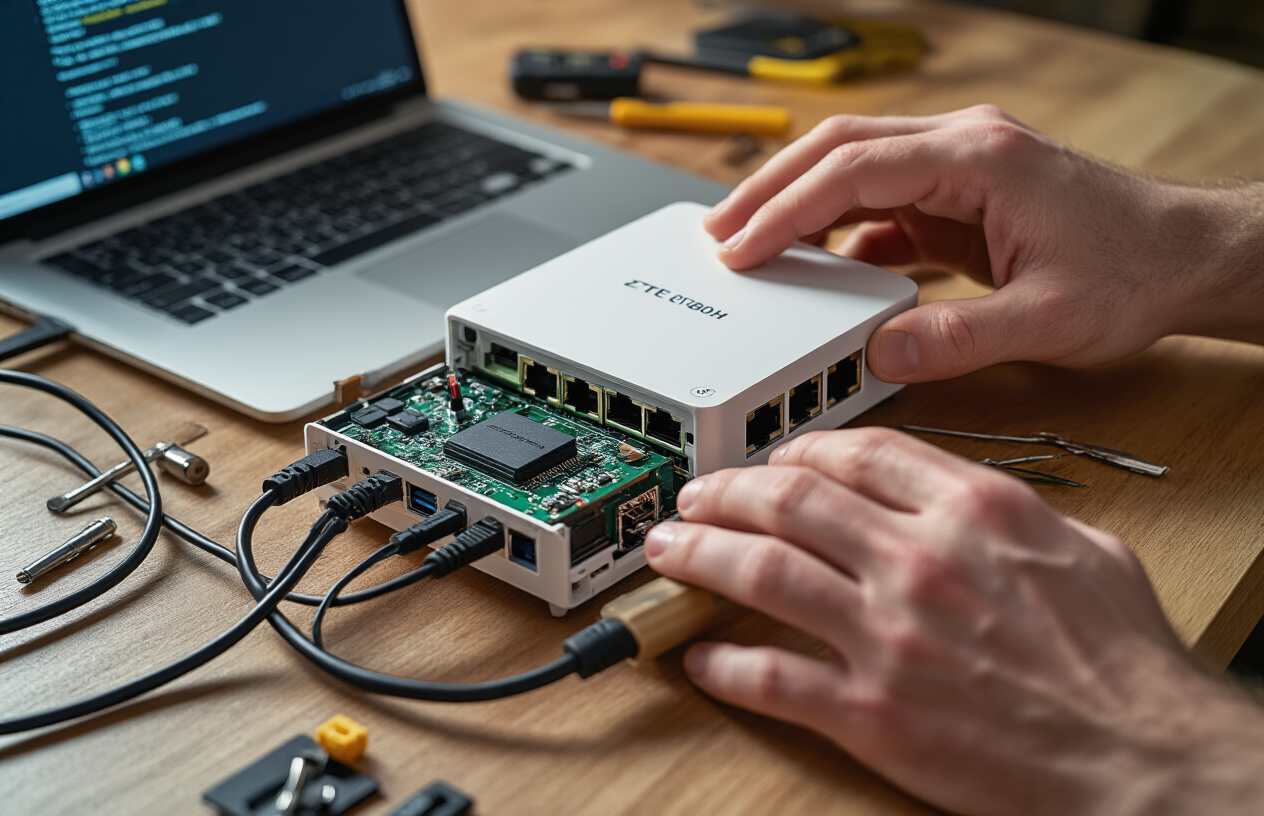
When your ZTE B760H isn’t being recognized by your computer during the flashing process, the culprit is usually driver-related problems. Start by checking if your device appears in Device Manager – if you see unknown devices or devices with yellow warning signs, you’ll need to install proper drivers. Download the ZTE USB drivers from the official website or use universal ADB drivers that work with most Android devices.
USB cable quality plays a bigger role than most people realize. That old cable lying around might work for charging but fail miserably during firmware transfers. Use the original cable that came with your device, or invest in a high-quality data cable. Avoid USB hubs and connect directly to your computer’s USB ports – preferably USB 2.0 ports, as they tend to be more stable for firmware operations.
Port switching can solve stubborn detection issues. Try different USB ports on your computer, and if you’re using a laptop, test with both sides if available. Sometimes Windows assigns conflicting port numbers, and switching forces a fresh detection cycle.
Fixing Incomplete or Failed Firmware Installations
Incomplete firmware installations happen more often when you rush the process or ignore system requirements. If your ZTE B760H firmware upgrade gets stuck at a certain percentage, don’t panic and unplug the device immediately. Wait at least 10-15 minutes – sometimes the process continues after apparent freezes.
Power issues cause many failed installations. Make sure your device has at least 50% battery charge before starting. For desktop users, connect your device to a powered USB hub if your motherboard’s USB ports don’t provide enough power. Laptop users should plug in their power adapter to avoid sudden shutdowns during the process.
How to flash ZTE B760H successfully requires attention to file integrity. If installations repeatedly fail, re-download the firmware file and verify its checksum. Corrupted downloads are more common than you’d think, especially with slower internet connections. Clear your temporary files and disable antivirus software temporarily, as some security programs interfere with flashing tools.
Memory conflicts can interrupt the process. Close unnecessary programs running in the background, especially resource-heavy applications like video editors, games, or multiple browser tabs. Give your flashing tool maximum system resources to work with.
Recovering from Bricked Device Scenarios
A bricked ZTE B760H feels like the end of the world, but most “brick” situations are recoverable with the right approach. True hard bricks are rare – most devices that won’t turn on or get stuck on boot screens are actually soft-bricked and can be saved.
Start with forced recovery mode access. Hold down specific button combinations while connecting the device to your computer. For ZTE B760H, try holding Volume Down + Power buttons simultaneously while plugging in the USB cable. Different button combinations work for different scenarios, so experiment with Volume Up + Power or just Volume Down if the first combination doesn’t work.
Fix ZTE B760H not working situations often require emergency download mode. This low-level recovery option bypasses normal bootloader restrictions. Look for EDL (Emergency Download) mode access – this puts your device into a state where specialized tools can communicate directly with the chipset, even when normal recovery options fail.
ZTE B760H dead fix firmware recovery demands patience and the right tools. SP Flash Tool, QFIL, or manufacturer-specific utilities like ZTE’s own flashing software can resurrect seemingly dead devices. These tools can write firmware directly to specific memory partitions, rebuilding your device’s software from the ground up.
Boot loop situations require systematic troubleshooting. Try flashing just the recovery partition first, then attempt a factory reset through recovery mode. If that works, you can flash the complete ZTE B760H stock rom without risking another brick scenario.
Always keep multiple firmware versions handy – sometimes older firmware versions flash successfully when newer ones fail, allowing you to establish a working base before upgrading to your desired version.
Getting your ZTE B760H back to its original state doesn’t have to be a nightmare. We’ve covered everything from finding the right firmware files and gathering the essential tools to walking through each installation step and fixing common hiccups along the way. The key is taking your time, following each step carefully, and having the right preparation before you start.
Remember to always backup your device data before flashing any firmware, and never rush through the process. If you run into problems during installation, don’t panic – most issues can be solved by double-checking your connections, trying a different USB cable, or restarting the flashing process. Keep your original firmware file safe for future use, and you’ll always have a reliable way to restore your device when needed.